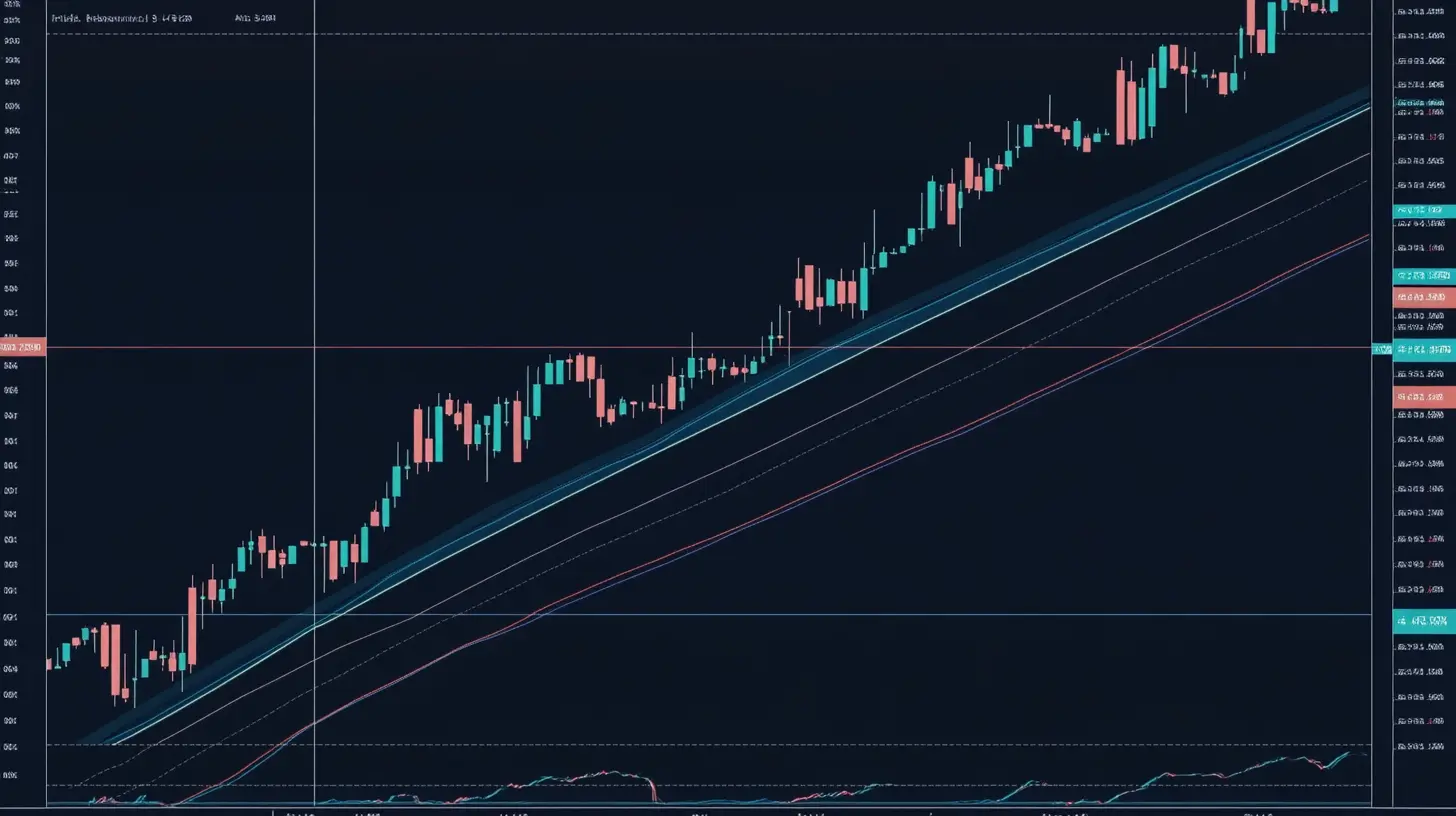

As crude oil prices hover near critical levels, global markets are keeping a close eye on two key forces: OPEC+’s potential rollback of production cuts and the ripple effects from ongoing economic and trade tensions. With oil flirting with the $55 per barrel support zone, traders are bracing for a turbulent week ahead.
OPEC+ Signals a Shift: Production Cuts May Be Winding Down
The oil-producing alliance known as OPEC+ is reportedly preparing to phase out its previously agreed production cuts, despite oil trading dangerously close to multi-year lows. The group, under mounting pressure from declining global demand and growing concerns about compliance, is expected to start easing its output restrictions.
This strategic move is designed to hold underperforming members accountable and restore a more balanced market share among compliant nations. Although this action may help stabilize long-term supply dynamics, it could also expose the market to short-term volatility, particularly if demand fails to pick up.
There are hints that the 2.2 million barrels per day (bpd) cut might be fully lifted by the end of the year, depending on how the market evolves. If this materializes, it will mark a significant shift in the group’s approach one that could reshape supply flows and investor sentiment moving forward.
Tariff Tensions and the Threat of Oversupply
Beyond production decisions, oil prices are also caught in the crossfire of a broader economic storm. Heightened trade disputes have resurfaced in 2025, pushing major exporters to adopt more defensive strategies. These include bolstering long-term supply deals and adjusting short-term output, even at the cost of near-term price drops.
Meanwhile, the geopolitical landscape continues to complicate the outlook. Sanctions on Iran and Venezuela remain a wildcard, potentially sparking sudden price spikes. However, analysts believe any sustained bullish trend in oil would require more than just supply shocks it would likely hinge on a rebound in global demand, resolution of trade disputes, and overall economic stabilization.
Can $55 Hold? Markets Eye Key Support as Volatility Looms
Technically, all eyes are on the $55 mark a crucial support zone that has historically acted as a pivot point during volatile phases. If prices break below this level, there’s a strong chance we’ll see a deeper correction, potentially down to $49. This level aligns with the lower trend boundary of a long-term channel that dates back more than a century.
On the flip side, if $55 proves resilient, a rebound could see oil climbing toward $60, $64, or even $66, with strong resistance likely emerging near the $70 threshold.
However, this potential recovery hinges largely on upcoming macroeconomic signals particularly from the Federal Reserve.
Federal Reserve in Focus: FOMC Outlook Could Shake Energy Markets
This Wednesday, the U.S. Federal Reserve (FOMC) will release its latest policy statement, and it’s likely to spark volatility across both energy and currency markets. Recent data has painted a concerning picture of the U.S. economy:
- GDP growth has slipped into the red, down to -0.3%
- Jobless claims have increased to 241,000
- Non-farm payroll growth has slowed from 185K to 177K
- The ISM Manufacturing PMI has dipped deeper into contraction at 48.7
- Core PCE inflation has hit 0.0%, its lowest since 2020
These figures suggest rising recession risks a factor that could drag oil demand further. If the Fed adopts a cautious tone or hints at policy easing, it may offer short-term support to commodities. But any hawkish surprise could strengthen the dollar and weigh further on crude.
U.S. Dollar Rebound Adds Complexity to Oil’s Path
The U.S. Dollar Index (DXY) has recently bounced from April’s lows around 98.00, and is now attempting to maintain a breakout past 100.30 a neckline of a bullish inverted head-and-shoulders pattern. If the dollar continues strengthening, it could act as a headwind for oil, which is typically priced in USD and becomes more expensive for foreign buyers when the greenback rises.
Still, if this breakout fails and the dollar retreats, it may inject renewed bullish momentum into oil markets.
Technical Setup: Oil at a Crossroads
Oil prices are currently in a corrective phase after bouncing from the $55 level, with the commodity now trading around $58. But with the Relative Strength Index (RSI) nearing oversold levels on the weekly chart levels last seen during the pandemic crash in 2020 the market may be setting up for a critical inflection point.
Should buyers step in, key upside levels include $60, $64, and $66. A sustained recovery could eventually test the $70 mark. But if bearish forces prevail and $55 breaks, expect a swift slide to $49, possibly reigniting comparisons to the early-2020 crash.
Final Thoughts
Crude oil markets are teetering on a knife’s edge. With OPEC+ considering a production cut rollback, trade tensions flaring, and the Fed poised to deliver a potentially market-moving statement, volatility is all but guaranteed.
Traders should keep a close watch on the $55 support level, the tone of the FOMC statement, and global demand signals in the weeks ahead. Whether oil stages a recovery or plunges into deeper correction territory will depend on how these complex variables unfold.